by First Year Cleveland | Apr 22, 2026 | FYC News and Post
BY ARAHG JAQUAY
Growing Up, I Experienced First-hand The Challenges Families In Poverty Face. I Always New I Wanted A Career That Involved Helping People,” Says Firstyearcleveland(Fyc)executive Director Angela Newman-white. First Year Cleveland Is A Nonprofit Housed At The Jack, Joseph And Morton Mandel School Of Applied Social Sciences At Case Western Reserve University (Cwru) Dedicated To Ensuring All Babies Celebrate Their Fire Birthdays. And Although Fyc Doesn’t Provide Any Direct Services, They Support And Coordinate Services Among Numerous Organizations WHO Work Directly With Pregnant Women In Cuyahoga County, Including Moms- First, Birthing Beautiful Communities, Centering Pregnancy And Others. Newman-white Started Her Career Working With Children Transitioning From Group Homes Into Independent Living. Then She Was A Case Manager At Harvard Community Services Center Working With Momsfirst, A City Of Cleveland Program Designed To Reduce Infant Mortality And Support Healthy Preps& Ies By Pairing Pregnant Women With Community Healthworkers Until Their Babynms Is Months Old. 1 Was A Systems Thinker And I Was Able To Turn Harvard Community Services Center Into A Top-performing Neighborhood Center And Was Shortly Offered An Administrative Position In The Cleveland Dept Of Public Health.” After That, Newman-white Went To The Cuyahoga County Board Ofhealth Where She Ultimately Had Responsibility For Nine
Lialpmgyl From Maternal And Child Htrosadoliscent Sexual Health In 2015 When Infant Mortality Rates In Cuyahoga County Soared To Is Per 1.000 Live Births. Civic Leaders Cornered To See What Could Be Done About It To Simplify And Persoralize The Statistics Around Infant Matzlay.nevasan-whienaa.-on Average. 100-1rifaatilialoseteirbgeninctrhom County Ever!: Year-forozetely. Neuman-white Las At The Table In 2015. ‘1 Winery Vocal Abou Forming A Separate Any/tan Focused On Advocacy. Policy And-fandrais-iq Because The Dfrect Service Organizations Needed Help In Their Etas To !inman The &antes They Sewed.” Sad Fyc Vas Born It Was Orinsally Located At Cla-sschool Of Bu In 2022 Moved To Thelopytiat School_ Neuman-ulnte Was Recruited To To Its Barque Emendive Dirmta. Wheanked Ntyeayeteges Rate Ofirfrea Monalny Is Higher Than De STEM Of Ohio’s And The Atonal Maze. Newman-white Explains Pan Of The Answer Is Poverty And Poor Maternal Health The Root Causes Of Ten Re Systemic And Hstorical ‘pregnancy An Be Very Isolviog” And This Isolation Is Pancularlyptualen Ocetnnttes Nithte Highest Amount Of Prep= Nor= Needing Support. Red-lining Lending Practices That Date To Tte 1920s Had An Nolanng Effect On Acre Swats Of The City That Persist To This Day. This Imitation Vas Macerteted By The Ictemate Otem Tat Demolished Or Bisected Ate Neintorhooth Wramo.ln To Reds.. Intramonalityratm.
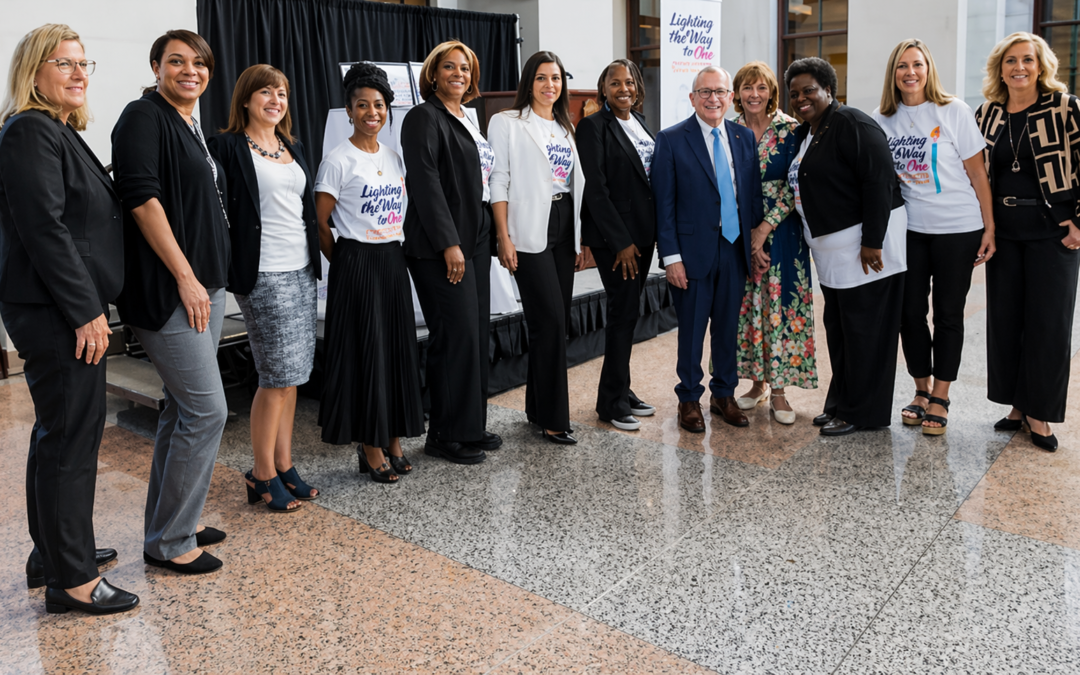
Angela Newman-white. Executive Director Of First Year Cleveland Speaks At Infant Vitality Day 2025. That Fyc Hosts With Partners Throughout Ohio
Social Support Systems, Economic Stability And Programs That Break Down Isolation Neuman-white Says. ONE Of Fyc’s Research Programs Supported Pregnant Women With Housing, Food And Transportation For Medical Care For The Duration Of Their Pregnancies. Out Of 21 Births, 18 Went To Full-term. Since Premature Birth Is A Leading Cause Of Infant Mortality, Carrying To Term Is Critical. Other Programs, Including Centering Pregnancy; Where Women Go To Medical Appointments In A Group Have Also Been Successful. But Group Appointments Aren’t For Everyone And Each Health Education Session Ending With An Appointment With A Clinician Lasts Two Hours. Not Everyone An Take Off Work That Length Of Time For A Doctor’s Visit. “We Meet People Where They Are And Say ‘what Do You Need?'” Then Fyc And Its Partners Help Pregnant Women Get It, Including Small Grants For Critical Short-term Needs Such As Diapers, Car Seats And Utility As- Sistance. Long-term Investments From Birthing Beautiful Communities Can Provide Doulas To Accompany Pregnant Women To All Their Medical Appointments And Be There During The Birthing Process If Desired. That Kind Of Support Can Be Invaluable To Navigating Complex Bureaucracies And Interpreting Medical Information And Directions. And While High Infant Mortality Rates Here Tend To Be Centered In Cleveland And Inner-ring Suburbs On The East Side, It’s A Community-wide And National Problem. People Lamenting America’s Low-birth Rates Might Not See The Connection Between Reduc- ING Infant Mortality And National Economic Viability, But Economists Know Too Well The Results Of A Heavily-aging Society With Too Few Workers Paying Into Social Security To Support Retirees (See Japan.) Increasing Infant Survival And Thriving Families Is Also A National Defense Issue As Healthy Families Produce Our Fighting Forces And Military Leadership. In The Case Of Healthy Pregnancies Resulting In Healthy Babies, An Ounce Of Prevention Is Worth A Pound Of Cure. Newman white Notes There Are Enormous Expenses Associated With Premature Births. “On Average, Delivering Vaginally A Full-term, Healthy Baby With Little To No Intervention In Cuyahoga County Costs Around $5,000-$10,000. A Cesarean Can Cost $7,000-$32,000. The Cost Of Delivering Premature Infants Is Astronomically Higher. ‘nicu Stays | Neonatal Intensive Care Unit Stays Can Average $2,800-$6,500 Per Day!” Says Newman-white. Ultimately, All Health-care Consumers Share Some Of That Cost, Not To Mention The Incredible Debt Burden Nicu Stays Impose On Young Families, Some Of Whom Leave The Hospital Without A Child. While Fyc And Its Direct-service Partners In Cuyahoga County Are Providing Vital Services To Families, Newman-white Says The Real Solution Is Policies That Prioritize Pregnant Women At The State And Federal Level. Most Other Developed Countries Have Paid-leave Policies For New Parents. And While Existing Legislation Does Prioritize Other Groups Such As Veterans And The Disabled (As Is Appropriate In Any Developed Society), There Are Few Legislative Supports For Pregnant Women And Families, Including In Ohio. That’s Why Fyc Spends Time Advocating For Legislation That Can Take A Systemic Approach To Supporting Pregnant Women And Families. Newman-white Wants Current’s Readers To Know “There’s An Opportunity To Be Actively Involved In The Solution Of Supporting Women And Babies In Cuyahoga County.” She Urges People To Go Fyc’s Website And Sign Up For Their Newsletter. “Babies Are Dying Here And Most Of These Deaths Are Preventable.” Please See Www.firstyearcleveland.org For More Information.
by First Year Cleveland | Aug 4, 2023 | FYC News and Post
Cuyahoga County has one of the highest rates of prenatal care in the state — yet, this area also has one of the worst infant mortality rates, and racial disparities contribute to this alarming statistic.
Many believe that racial disparities in infant mortality only affect women living in poverty, those with limited education and teenagers. However, these disparities are found through all socioeconomic statuses and age groups. In fact, in the past 10 years, only four percent of infants who died were born to teenage mothers.
The majority of premature deaths in Cuyahoga County are African American babies. Most of these infants’ mothers have significant interaction with medical providers, many via private insurance and self-pay rather than Medicaid. According to Dr. Arthur James of the Kirwan Institute for the Study of Race and Ethnicity, one must go as far back as 1975 to find a white infant mortality rate comparable to the 2015 African American rate.
For years, researchers and doctors have been debating the topic of racial disparities in health care. They still struggle to find why African American women in America, no matter their age or socioeconomic status, are more likely to suffer an infant loss.
Most recently, there is a common agreement that the everyday stressors of being an African American woman contribute heavily to these heartbreaking outcomes. This excess stress comes from unavoidable daily occurrences such as implicit bias and structural racism.
Structural racism is deeply embedded into American society and is a potent factor that leads to inequities in the health care system. It goes hand in hand with implicit bias. Implicit bias is an attitude or a stereotype that affects your understanding, actions and decisions unconsciously. Everyone has implicit bias, whether they know it or not.
Unfortunately, implicit bias can affect the way that providers care for their patients — and this factor can contribute to many statistics that illustrate the issue.
Racial disparities in health care affect African Americans of every socioeconomic level.
So, what can we all do to help mitigate the effects of implicit bias on pregnancy and childbirth?
Be aware of your own implicit bias. Implicit biases don’t necessarily always align with our own beliefs or values — they are learned and out of our control. However, these biases are completely susceptible to change.
Project Implicit is a nonprofit organization whose goal is to educate people on their own implicit bias. They’ve created different tests for subjects like racial bias, gender bias, disability bias and many more. Take a few minutes out of your day and take a test to determine your biases. https://implicit.harvard.edu/implicit/selectatest.html
Don't stop there. After you take the test, find out what you can do to change those biases. Speak up. Share posts like this with family and friends. Connect with organizations like First Year Cleveland on social media, and discuss topics such as structural racism and implicit bias.
Racial disparities are all too relevant in the lives of pregnant women and their infants in our county — however, by taking steps and getting involved, we can make a difference.
by First Year Cleveland | Jul 20, 2023 | FYC News and Post
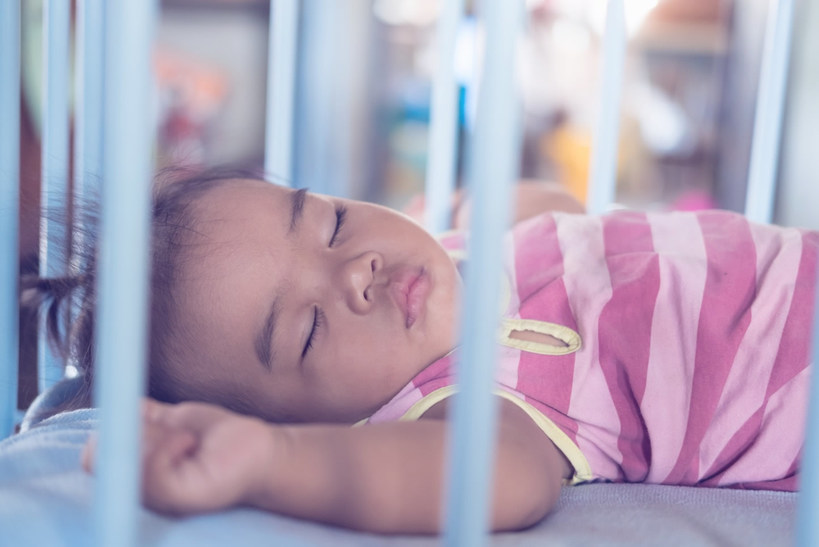
Caring for grandkids is a common role for many grandparents. Whether it is overnight, over a weekend or for an extended period, you will want to make sure the babies are happy and healthy, and that they sleep safely and peacefully.
Many of us have learned how to care for babies from older generations. There are many tips that have been passed down from generation to generation on how to care for children, but it can be difficult to determine if these teachings are outdated or unsafe.
When caring for an infant, learning about safe sleep is very important. Sleep-related deaths are one of the primary causes of infant deaths, and they are largely preventable.
So, before you put your little one to bed, please review these helpful and potentially life-saving tips.
Follow the ABCDs of safe sleep — the easiest way to ensure your grandbaby is safe and sound.
A - Alone
Your grandbaby should sleep alone — not in a bed or on a couch with you, their parents or their siblings. Compared with sleeping in a crib, the overall death rate is more than 40 times higher for babies who sleep with an adult. A great compromise is keeping a portable crib next to your bed — this keeps your grandbaby safe and encourages bonding.
Remember: the same room is okay, but the same bed is not!
B - Back
This one is easy! Just be sure to always place your grandbaby on their back when you put them down for bed. By placing your grandbaby on his or her stomach to sleep, you are placing that baby at increased risk for Sudden Infant Death Syndrome (SIDS). Tummy time is great, but only when it is play time!
C - Crib
Be sure your baby goes to sleep in an empty crib — no toys, blankets, pillows or bumpers. These items pose a major risk for choking or suffocation, especially for babies age 1 and younger, and can increase the risk of SIDS up to five times. And there is no need to use expensive positioning devices or sleep aids! Research has shown that all your grandbaby needs is a firm sleeping surface. Also, be sure to use a crib or bassinet that was manufactured after June 28, 2011, or that is compliant with the Consumer Product Safety Commission’s regulations.
Another way to check if the crib is safe is to make sure that there are no gaps between the sides of the crib and the mattress. You can check this by measuring with two fingers between the two.
Next, never place a crib near any kind of cords. This even includes windows with blinds, curtain cords and baby monitor cords.
Lastly, always make sure the crib has been assembled and installed correctly according to the manufacturer’s directions.
D - Don't Smoke
Even if you personally do not smoke, others who do that are around your baby should always smoke outside and change their clothes before being around your grandbaby.
That’s right – smoking outside is not enough!
Babies who are exposed to second-hand smoke become more susceptible to developing asthma or having other respiratory problems and are more likely to die from SIDS.
If you smoke, they smoke. Try to quit for the safety of your grandbaby, and encourage others to do so as well!
By following the ABCDs of safe sleeping, you can ensure your grandbaby will wake up, ready for a bright future.
Is it really that easy? Yes, it is! Help us spread the word by sharing the ABCDs of safe sleep with your family and friends! Just a little awareness can go a long way.
Sleep-related deaths are largely preventable.
In 2017 and 2018, there were nearly 30 sleep-related deaths in Cuyahoga County.
SIDS (Sudden Infant Death Syndrome) can sometimes be called "crib death" because it is associated with when the baby is sleeping. But that name is misleading; cribs themselves don't cause SIDS, the baby's sleep environment can cause SIDS.
Infants spend more than half their day asleep, which is why this information is crucial to their health. With infants, prevention is key for their care. We’re glad you are choosing to invest in your grandchild’s safety!
by First Year Cleveland | May 14, 2023 | FYC News and Post
(This article originally appeared as an opinion piece in Cleveland.com on May 14,2023)
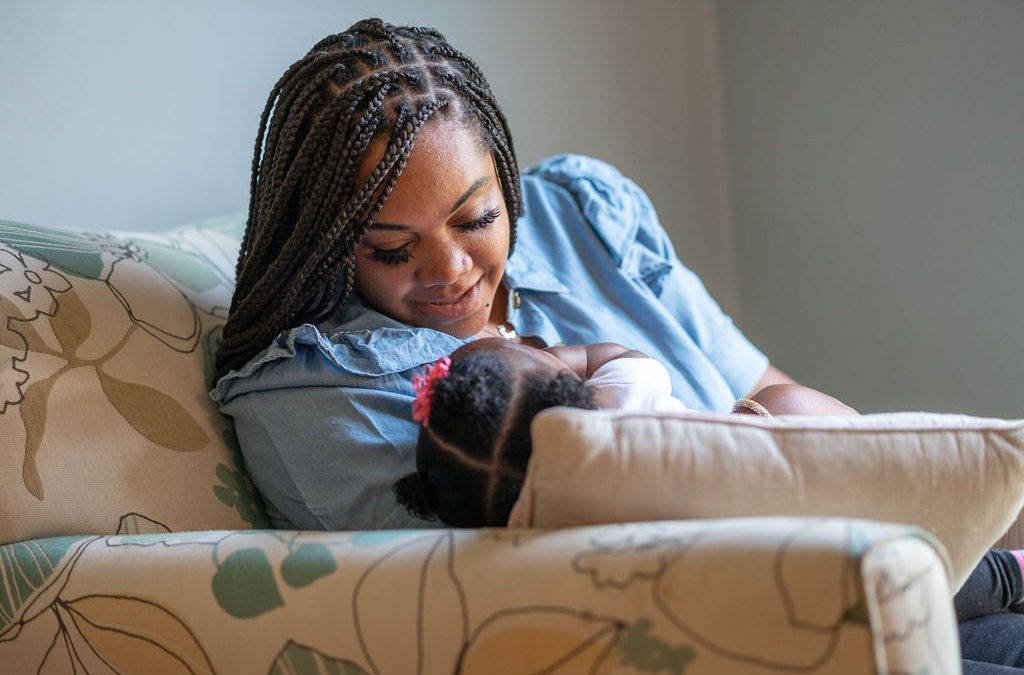
Mother’s Day is a time to celebrate and thank the strong women that have made each of us who we are today. Being a mom is both a gift and a sacrifice; an affirmation and a challenge; a purpose and a reminder of all that is beyond our control. It’s both creating a community and relying on the support of others to honor a mother’s first instinct -- to protect her children.
This Mother’s Day, let’s acknowledge our shared responsibility to provide women what they need to thrive as mothers, from making the decision to become one, through pregnancy and the early years of their children’s lives, to watching their children grow into adulthood.
With our community partners, First Year Cleveland is committed to protecting mothers and families, and to assuring that every baby born in Cuyahoga County celebrates their first birthday.
We work with communities to identify and implement policy and system changes to eliminate barriers to care and create the community conditions necessary for families to thrive. We also provide funding and support to community-based organizations working directly with women and families at risk.
We do this because healthy and supportive communities result in healthy birth outcomes. Mothers want their babies to thrive, and the heartbreak of losing a baby is far too common for a wealthy society like ours.
The uncomfortable reality is that, despite spending far more on health care than other high-income countries, the United States still has one of the highest infant mortality rates: 5.4 per 1,000 live births. Within the United States, Black families are disproportionately affected, with an infant mortality rate 2.4 times greater than that of non-Hispanic white families.
Here in Cuyahoga County, our infant mortality rate is decreasing but still stands at an unacceptable 6.9 per 1,000 live births. The mortality rate for Black babies born in Cuyahoga County is nearly 2.8 times greater than for non-Hispanic whites.
Why do we continue to struggle to mitigate the infant mortality crisis?
Too often we blame mothers for their choices, instead of the social factors that determine health long before a pregnancy. If you benefit from stable housing, if you have reliable access to transportation and resourced schools, if you have stable employment with benefits and child care, you will be healthier than those who don’t. That’s not about personal choices you make, but the unjust policies, history, and social structures that shape daily life.
To create the world as it should be for every mother, take action to protect families - that is the best Mother’s Day gift you can make.
· Educate yourself, friends and family on the impact of racism (not race) and implicit bias on infant mortality.
· Support legislation and policies that address equity, including the state budget proposals for The Early Childhood Mental Health Consultation and Help Me Grow evidence-based home visiting program; Ohio House Bill 7, The Strong Foundations Act, a package of maternal and infant health provisions; and the federal Black Maternal Health Momnibus Act bills, once they are reintroduced in the 118th Congress.
· Do not support legislation that negatively impacts human, reproductive, and civil rights.
· Prioritize community voice and expertise when making decisions about programs, services, or policy changes.
· Celebrate the joy of birth, motherhood and families. Our city is full of brilliant, strong, creative and committed families building the communities they deserve.
A mom’s first instinct is to protect and care. This Mother’s Day, let’s commit to doing the same for moms, expectant mothers, and the future generation of mothers. Commit to lending your expertise. Your time. Your heart. We need passionate people to make a difference.
Angela Newman-White has almost 20 years of public health experience in maternal and child health. In January 2023, she joined First Year Cleveland as their new executive director.